In today’s world, having access to a reliable power source is crucial. Whether you are hosting an event, running a construction site, or preparing for a natural disaster, renting a generator can be a game-changer. A generatorprovides a temporary power solution that is both cost-effective and convenient. In this blog post, we will look at the top reasons why renting a generator is a wise decision.
1. Backup Power in Emergencies
During emergencies such as hurricanes, floods, or earthquakes, power outages are common. However, having a backup power source can make all the difference. Renting a generator ensures that you are prepared for unexpected situations by providing temporary power supply to keep your home or business running smoothly. From powering essential appliances like refrigerators and water pumps to running medical equipment or charging communication devices, a generator is a lifeline during emergencies.
2. Construction and Outdoor Events
Construction sites and outdoor events require a reliable power source. Renting a generator allows you to have a portable and efficient solution for powering tools, machinery, and lighting. Construction crews can continue their work without any interruptions, and event organizers can provide a seamless experience to their guests with a reliable source of electricity for music systems, lighting setups, catering equipment, and more. A generator also ensures that you meet safety standards on-site by providing power to equipment like safety lights and emergency alarms.
3. Cost-Effective Solution
Purchasing a generator can be a significant investment, especially if you only need it for a short period. Renting a generator is a cost-effective solution as you pay only for the duration of the rental. Additionally, maintenance costs and repairs are taken care of by the rental company, saving you from any unexpected expenses. By renting a generator, you not only save money but also free up storage space that would have been occupied by a bulky piece of equipment.
4. Testing and Trial Runs
If you are unsure about the power requirements of your project or event, renting a generator enables you to try different models and sizes without committing to a particular one. This way, you can assess the generator’s performance, fuel efficiency, and noise levels before making a purchase decision. By testing a generator in a real-life scenario, you can make an informed choice without any regrets.
5. Environmental Benefits
Renting a generator can be an eco-friendly option. Most rental companies maintain their generators to meet strict emissions and noise regulations. By renting an environmentally-friendly generator, you can reduce your carbon footprint while still enjoying the benefits of reliable power supply. Moreover, generators run on alternative fuel options such as natural gas or biodiesel, further reducing their impact on the environment.
6. Flexibility and Convenience
Renting a generator offers flexibility and convenience that purchasing one cannot match. Rental companies often have a wide range of generators available, with different power capacities to suit your specific needs. They can deliver the generator to your desired location and provide any necessary accessories, fuel, or maintenance support. Furthermore, if your power requirements change over time, you can easily upgrade or downsize your rental to match your evolving needs.
Conclusion
Renting a generator is a smart choice for a variety of situations. Whether it’s for emergencies, construction sites, or outdoor events, renting provides a cost-effective solution that offers flexibility, convenience, and peace of mind. Additionally, renting allows you to test different models and sizes, reducing the risk of making a wrong purchasing decision. So, next time you find yourself in need of a power source, consider renting a generator – it’s a decision you won’t regret.
Got Questions? Let Us Help!
Welcome to Ram Rent-All, Inc. If you are looking for quality equipment, look no further. We are your one-stop solution for all of your equipment rental needs. We have a huge selection of equipment to choose from, from lawn and garden tools to construction necessities. Options include air compressors, Bobcats, forklifts, generators, tractors, water pumps, mixers, light towers, pressure washers, and more! If you’re going to do a job yourself, you want the best tools, and we can supply them to you at a reasonable price, without the need for costly contractors or direct purchases. Call us today!
Concrete saws are powerful tools used to cut through concrete, brick, asphalt, and other tough materials. Whether you are a professional contractor or a DIY enthusiast, it’s important to follow proper techniques and safety precautions when using a concrete saw. In this blog post, we will share some valuable tips for cutting with a concrete saw.
1. Wear appropriate protective gear
Before you start cutting with a concrete saw, make sure to wear the right protective gear. This includes safety goggles or a face shield to protect your eyes from flying debris, ear protection to avoid hearing damage, a dust mask or respirator to prevent dust inhalation, and sturdy gloves to protect your hands. Additionally, wear steel-toed boots to keep your feet safe from falling objects.
2. Choose the right blade
Selecting the right blade for your concrete saw is crucial for a successful cutting experience. The choice of blade depends on the type of material you are cutting and the project requirements. Diamond blades are commonly used for cutting through concrete and other tough materials. Ensure that the blade is compatible with your specific saw model and that it is in good condition before starting the job.
3. Prepare the work area
Before you begin cutting, it’s essential to prepare the work area to ensure maximum safety and efficiency. Clear away any obstacles or debris that may hinder your movements. Mark the cutting line using chalk or a marking tool to guide your saw. Finally, ensure that the surrounding area is clear of any bystanders or pets who may inadvertently come in harm’s way.
4. Master the cutting technique
To achieve precise and clean cuts, it’s crucial to master the right cutting technique. Begin by firmly gripping the saw with both hands, using a strong stance for stability. Keep a steady motion, slowly pushing the blade into the material at a consistent speed. Avoid forcing the saw as this may cause the blade to bind or break. Let the saw do the work by applying even pressure and maintaining a steady hand.
5. Keep the blade cool
Concrete cutting generates a lot of heat, causing the blade to wear out faster. To prevent premature blade failure, it’s essential to keep it cool during operation. Most concrete saws come equipped with a water supply system that sprays water onto the blade, reducing heat and dust. Ensure that the water supply is functioning properly and adjust the flow accordingly to keep the blade adequately cooled.
6. Manage dust and debris
Cutting with a concrete saw can produce significant amounts of dust and debris, posing health risks and hindering visibility. To mitigate these issues, use a wet-cutting method that incorporates water to control dust. Alternatively, use a dust extraction system or a vacuum attachment designed to capture airborne particles. Regularly clean the work area to minimize the accumulation of dust and debris.
7. Take breaks and stay hydrated
Concrete cutting can be physically demanding, especially for longer periods. Take regular breaks to rest and hydrate, especially if you are working in hot or humid conditions. Prolonged exposure to the noise and vibrations from the saw can also cause fatigue. Consider wearing vibration-dampening gloves or using anti-vibration handles to reduce discomfort.
8. Maintain your equipment
To ensure optimal performance and longevity of your concrete saw, regular maintenance is essential. Clean the saw after each use, removing any residual concrete or debris. Check the blade for wear and tear, and replace it if necessary. Inspect the belts, filters, and other components regularly and make necessary repairs or replacements. Following the manufacturer’s guidelines for maintenance will help keep your equipment in top condition.
Summary
Cutting with a concrete saw requires careful preparation, the right technique, and adherence to safety measures. By wearing the appropriate protective gear, choosing the correct blade, preparing the work area, and mastering the cutting technique, you can achieve clean and precise cuts. Remember to keep the blade cool, manage dust and debris, take breaks, and maintain your equipment for optimal performance. With these tips in mind, you can safely and efficiently cut through concrete and other tough materials.
Got Questions? Let Us Help!
Welcome to Ram Rent-All, Inc. If you are looking for quality equipment, look no further. We are your one-stop solution for all of your equipment rental needs. We have a huge selection of equipment to choose from, from lawn and garden tools to construction necessities. Options include air compressors, Bobcats, forklifts, generators, tractors, water pumps, mixers, light towers, pressure washers, and more! If you’re going to do a job yourself, you want the best tools, and we can supply them to you at a reasonable price, without the need for costly contractors or direct purchases. Call us today!
Pressure washers are powerful tools that use high-pressure water to clean a variety of surfaces. They are popular for both residential and commercial use due to their effectiveness and versatility. Whether you are removing dirt from your patio or cleaning the exterior of a building, a pressure washer can make the job much easier and quicker. In this blog post, we will discuss some of the common uses for pressure washers and how they can benefit you.
Exterior Cleaning
One of the most common uses for pressure washers is exterior cleaning. Whether you are cleaning the exterior of your house, deck, driveway, or sidewalk, a pressure washer can quickly remove dirt, grime, and stains. With the high-pressure water stream, you can easily blast away accumulated dirt and debris, leaving your surfaces looking fresh and clean. Pressure washers are especially effective at removing mold, mildew, and algae buildup from outdoor surfaces, helping to prevent further damage and prolonging their lifespan.
Vehicle Cleaning
Another popular use for pressure washers is vehicle cleaning. Pressure washers can effortlessly remove dirt, mud, and road grime from your car, truck, RV, or boat. The high-pressure water stream is gentle enough not to damage the vehicle’s paintwork but strong enough to remove stubborn dirt and debris. Pressure washers are also great for cleaning the wheels and undercarriage of vehicles, where dirt and grime tend to accumulate. Regularly cleaning your vehicle with a pressure washer can help maintain its appearance and protect it from corrosion.
Garden and Outdoor Equipment
Pressure washers are also handy for cleaning garden and outdoor equipment. Whether you need to clean your lawnmower, trimmer, chainsaw, or any other outdoor power tool, a pressure washer can easily remove dirt, grass clippings, and grease. By keeping your equipment clean, you can prolong its lifespan and maintain its performance. Additionally, pressure washers are great for cleaning outdoor furniture, sheds, fences, and other garden structures. With the high-pressure water stream, you can quickly remove dust, dirt, and stains, restoring them to their former glory.
Graffiti Removal
Graffiti can be an eyesore in public places and private properties. Fortunately, pressure washers can effectively remove graffiti from various surfaces, including walls, fences, sidewalks, and signs. The high-pressure water stream combined with specialized graffiti removal detergents can break down the paint or ink and wash it away, leaving the surface clean and graffiti-free. Pressure washers provide a quick and efficient solution to graffiti removal, saving time and effort compared to traditional methods.
Deck and Patio Cleaning
If you have a deck or patio, you know how challenging it can be to remove dirt, moss, and stains that accumulate over time. Pressure washers are fantastic for cleaning wooden or concrete decks and patios. The high-pressure water stream can easily dislodge dirt and grime from between the planks or in the textured surface of concrete. Additionally, pressure washers can remove moss or algae growth that can make the surface slippery and hazardous. By regularly cleaning your deck or patio with a pressure washer, you can maintain its appearance and prevent any potential damage caused by dirt buildup.
Conclusion
Pressure washers are versatile tools that offer numerous benefits for various cleaning tasks. From exterior cleaning to vehicle detailing, garden equipment cleaning to graffiti removal, pressure washers can make these tasks quicker and easier. By investing in a pressure washer, you can save time, effort, and money on professional cleaning services, and keep your property looking clean and well-maintained. Consider adding a pressure washer to your cleaning arsenal and experience the many advantages it offers.
Interested in renting out a pressure washer? Let us help! Contact us today to learn more about what we can do for you!
Forklifts are invaluable tools in various industries, allowing for efficient lifting and transportation of heavy loads. However, operating a forklift requires proper training and adherence to safety protocols to prevent accidents and injuries. In this blog post, we will provide a comprehensive guide on how to use a forklift safely, focusing on essential practices that minimize risks and ensure a secure working environment for both operators and co-workers.
1. Comprehensive Training and Certification
The foundation of safe forklift operation lies in thorough training and certification. Before operating a forklift, individuals should receive formal training that covers both theoretical knowledge and practical skills. Training programs should include topics such as controls and instrumentation, load handling, stability principles, and safe maneuvers. Additionally, operators must obtain a forklift operator certification, which verifies their competency and understanding of safety procedures. Regular refresher training sessions should also be conducted to keep operators up to date with the latest safety practices and regulations.
2. Pre-Operational Inspections
Performing pre-operational inspections is crucial to identify any potential issues or malfunctions before using a forklift. Operators should conduct a thorough inspection of key components, including brakes, tires, steering, lights, and the lifting mechanism. Any defects or abnormalities should be reported and addressed promptly by maintenance personnel. Regular maintenance schedules should also be followed to ensure the forklift is in optimal working condition.
3. Load Capacity and Stability
Understanding load capacity and maintaining stability is essential for safe forklift operation. Every forklift has a rated load capacity, specified by the manufacturer, which operators must not exceed. Overloading a forklift can lead to loss of control, tipping, or structural damage. It is crucial to consult the load capacity chart and distribute the load properly, placing it securely on the forks and as close to the mast as possible to maintain stability. Additionally, the forklift’s center of gravity should be kept low, especially when lifting or carrying heavy loads, and operators should avoid abrupt movements or sudden changes in direction to prevent toppling.
4. Safe Maneuvering and Traffic Awareness
Operating a forklift in a safe manner includes practicing proper maneuvering techniques and being aware of one’s surroundings. Operators should always drive at a controlled speed, adjusting it based on the load and the surface conditions. Sharp turns, sudden stops, or erratic movements should be avoided to prevent tip-overs and load displacements. Maintaining a clear line of sight is crucial, and operators should look in the direction of travel with the load no higher than eye level. Sound the horn and use signals whenever necessary to alert nearby pedestrians or other vehicles. Being cautious, respecting designated forklift lanes, and adhering to established traffic rules within the workplace ensure a secure and accident-free environment.
5. Proper Load Handling and Securing
The safe handling and securing of loads are paramount when operating a forklift. Operators must ensure that the load is stable, evenly distributed on the forks, and properly secured before lifting. Forks should be inserted fully into pallets or load carriers, and loads should not extend beyond the forks. To prevent loads from shifting or falling during transport, operators should use appropriate attachments, such as clamps or straps. Additionally, if visibility is compromised, a spotter can assist the operator by providing guidance when picking up or placing loads in tight spaces.
6. Hazard and Obstacle Awareness
Being aware of potential hazards, obstacles, and other workers in the vicinity is crucial to prevent accidents. Operators should be vigilant of any uneven surfaces, ramps, or floor obstructions that could impact the stability of the forklift or the load. Pedestrians and other workers should be given the right of way, and caution should be exercised in congested areas. Communication, through the use of signals or radios, should be established between operators and individuals on foot. Additionally, operators should be aware of potential hazards, such as overhead obstructions or electrical wires, and work in areas with adequate clearance.
Conclusion
Safety is of utmost importance when operating a forklift. By following these guidelines and practicing safe forklift operation, operators can minimize the risk of accidents, injuries, and damage to property. Comprehensive training, thorough pre-operational inspections, adherence to load capacity and stability principles, proper maneuvering techniques, safe load handling and securing, as well as hazard and obstacle awareness, create a safe working environment for both operators and those around them. By prioritizing safety, businesses can ensure that forklift operations are efficient, productive, and accident-free.
Looking to rent a forklift for your next project? Let us help! Contact us today to learn more about what we can do for you!
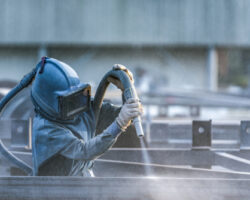
Sandblasting is a popular technique for removing surface materials, such as paint, rust, and grime, on a variety of materials. However, sandblasting can be a tricky and potentially hazardous process, requiring specific skills, equipment, and safety precautions. In this blog post, we’ll discuss tips and techniques for sandblasting that can help you achieve the results you want while minimizing risks.
First, let’s cover some basic sandblasting equipment and materials you’ll need. These include a sandblasting cabinet or booth (which contains the sandblasting area and prevents dust and debris from escaping), a sandblasting gun (which blasts sand or other media at high pressure), abrasive media (such as sand, glass beads, or steel shots), and a compressed air source. Safety equipment is also crucial, including respirators, eye and ear protection, and protective clothing.
Tip #1: Choose the Right Abrasive Material
The type of abrasive media you choose will depend on the material being blasted and the desired result. For example, if you’re removing rust from a metal surface, you might use steel shots or grits. If you’re cleaning a softer material, such as wood or plastic, you might use glass beads or walnut shells. Which abrasive media to choose will also depend on the surface finish you want to achieve. Fine media like glass beads will produce a smoother surface, while more coarse media like steel shots will leave a rougher finish.
Tip #2: Adjust the Sandblasting Pressure and Distance
The pressure and distance of the sandblasting gun are critical factors in achieving the desired result. If the blasting pressure is too high or the gun is held too close to the surface, you can damage the material or leave scars. Conversely, if the blasting pressure is too low or the gun is held too far away, you may not achieve the desired result. It’s important to adjust the pressure and distance based on the material being blasted and the abrasive media being used.
Tip #3: Pay Attention to the Direction of the Media Spray
When sandblasting, it’s important to pay attention to the direction of the media spray. Avoid spraying directly at corners or edges, as this can cause the material to become deformed or damaged. Instead, aim the spray at a 45-degree angle to the surface being blasted. This will help ensure that the abrasive media is evenly distributed and doesn’t become concentrated at any one point.
Tip #4: Use the Correct Nozzle Size
One of the most important factors in achieving the desired result is choosing the correct nozzle size for your sandblasting gun. The nozzle size will determine the amount of abrasive media that is being blasted and the pressure at which it is being delivered. A nozzle that is too small will cause the abrasive media to clog, reducing the blasting power, while a nozzle that is too large will waste media and result in uneven coverage.
Tip #5: Clean Between Abrasive Media Changes
If you’re switching between different abrasive media, such as switching from sand to glass beads, it’s important to thoroughly clean the sandblasting cabinet and gun between changes. This will help prevent cross-contamination of the media and ensure that you get the desired finish. Failure to clean between changes can result in a build-up of residue that can clog the media delivery system and cause inconsistent results.
Technique #1: Blasting in a circular motion
Circular blasting is a helpful technique for sandblasting surfaces with low profile and curves. To do this technique, you need to make sure that the sandblasting gun is constantly moving in a circular motion, keeping the nozzle at a steady distance away from the surface, while also applying consistent pressure.
Technique #2: Wet Sandblasting
This technique is considered one of the safest methods of sandblasting, and it’s ideal for metals that are vulnerable to heat. Wet sandblasting is done using a mixture of water, abrasive material, and compressed air. It helps in reducing the temperature of the surface, which prevents the metal from getting damaged.
Conclusion
While sandblasting can be a hazardous process, with the right equipment, materials, and techniques, you can achieve the desired results safely and efficiently. Remember to choose the right abrasive media, adjust the sandblasting pressure and distance, pay attention to the direction of the media spray, use the correct nozzle size, and clean between abrasive media changes. By following these tips and techniques, you’ll be able to tackle any sandblasting project with skill and confidence.

 Sandblasting: Tips and Techniques